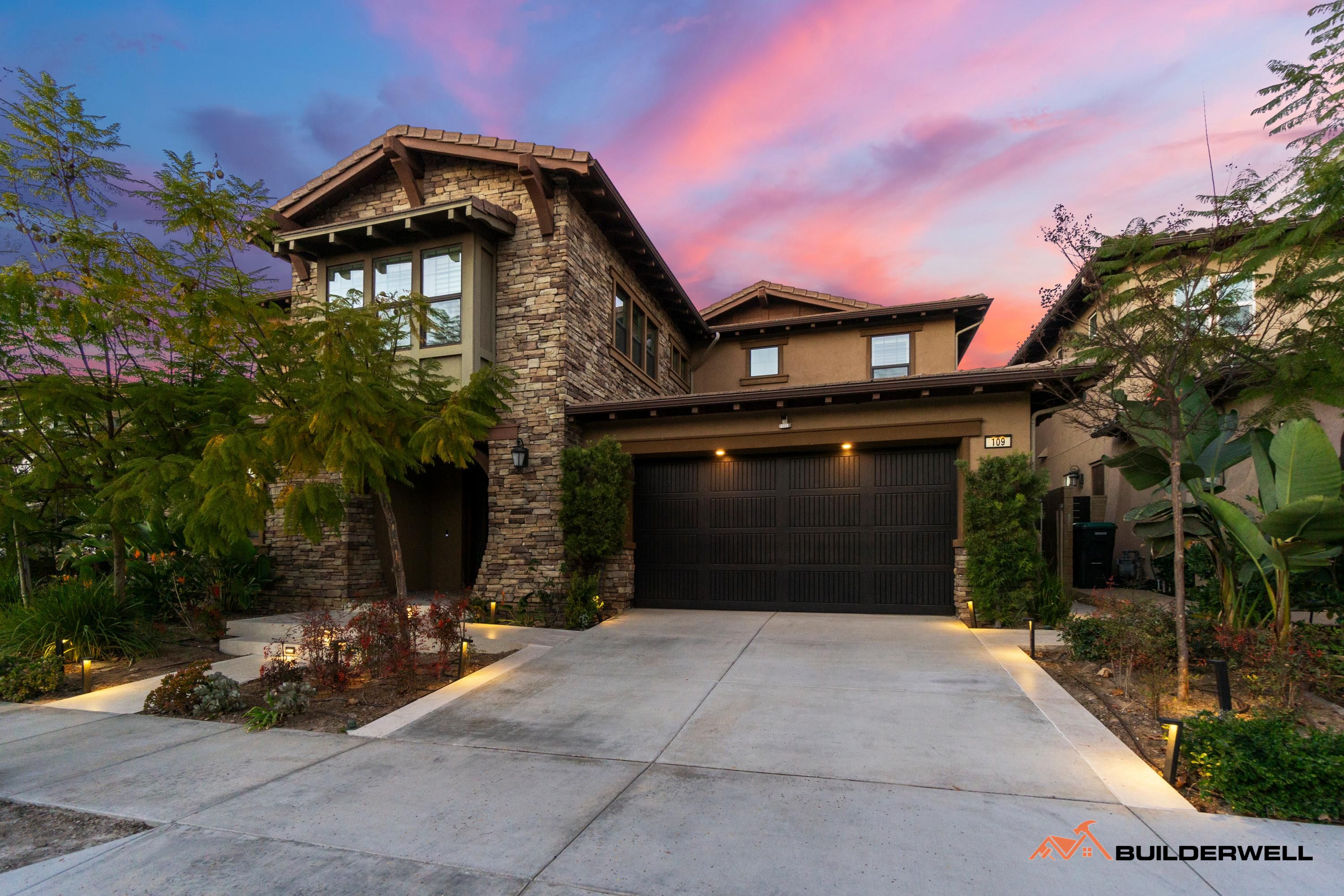
Building a custom home in Irvine sounds exciting when you picture the finished result. The open layout, the natural light, the kitchen designed around your lifestyle, and the feeling of walking into a home built specifically for you, not adapted from someone else’s vision.
But before any of that becomes reality, there is a long process that most homeowners only partially understand.
And that matters because building a custom home is not just construction. It is a sequence of design decisions, budgeting, engineering, approvals, coordination, and execution that unfolds over many months. When homeowners understand how the process actually works from the beginning, the experience becomes far less overwhelming and far more manageable.
In Irvine, the process also comes with added layers that homeowners in other markets may not face. HOA guidelines, strict city requirements, architectural approvals, and high construction standards all influence how projects move forward.
That is why custom home projects succeed when the process is approached strategically from day one.
One of the biggest misconceptions about custom homes is that construction starts quickly after hiring a builder. In reality, the earliest stages are often the most important because they shape everything that follows.
The process usually begins with discovery and planning conversations. This is where homeowners define goals, lifestyle priorities, design preferences, square footage needs, and budget expectations.
At this stage, the focus is not just on what the home should look like. It is about understanding how the home should function day to day.
Questions often include:
These conversations guide the design process far more than inspiration photos alone.
Once the vision becomes clearer, the property itself needs careful evaluation.
Every lot in Irvine comes with its own conditions and limitations. Slope, grading, setbacks, HOA requirements, utility access, and city zoning regulations all influence what can realistically be built.
This is where feasibility analysis becomes critical.
The builder and design team evaluate:
This stage helps identify potential obstacles early, before major design work begins.
Without proper site evaluation, homeowners can end up designing homes that later require costly revisions or delay approval.
Once the site analysis is complete, the actual home design process begins.
This phase usually involves collaboration between architects, designers, engineers, and the builder. The goal is to create a home that balances aesthetics, functionality, structural feasibility, and budget alignment.
During this stage, floor plans begin taking shape. Room placement, circulation, ceiling heights, window positioning, and indoor-outdoor transitions are carefully refined.
This is often one of the most exciting parts of the process because homeowners finally begin seeing their ideas translated into actual plans.
At the same time, this stage also requires patience, as revisions are common. Layout adjustments, structural considerations, and budget refinements happen continuously until the design feels fully resolved.
Good design development takes time, but it prevents major construction problems later.
One of the most important parts of a successful custom home project is keeping design and budget aligned simultaneously.
A common mistake in custom home projects is designing first and pricing later. That often leads to disappointment when homeowners discover the design exceeds the intended investment range.
Experienced custom builders approach this differently by evaluating costs throughout the design process itself.
This allows adjustments to be made early, rather than forcing major redesigns later.
Factors influencing the budget include:
The earlier these elements are aligned financially, the smoother the project becomes overall.
This is one of the most important stages specific to Irvine custom home projects.
Many Irvine communities operate under HOA oversight, which means the home may require architectural approval before city permits are finalized. HOA review may involve design guidelines related to:
At the same time, city permits require detailed architectural plans, structural engineering, energy compliance documentation, and various technical approvals.
This phase can take several weeks or months, depending on project complexity and review timelines.
Homeowners are often surprised by how much time occurs before actual construction starts, but this stage is critical for avoiding major delays later.
Once approvals are complete, the project moves into pre-construction planning.
This stage focuses on preparing construction logistics before physical work begins. Material orders, subcontractor scheduling, site preparation, and construction sequencing are carefully coordinated.
This planning phase matters because custom homes involve dozens of moving parts that must align correctly.
Without strong pre-construction organization, projects become vulnerable to:
A well-organized project often feels dramatically smoother throughout construction because so much preparation was done up front.
Once construction starts, progress initially feels fast.
Site preparation, foundation work, framing, and structural systems move the project from paper plans into physical reality. This stage establishes the home's overall shape and structure.
At the same time, inspections occur throughout construction to ensure compliance with structural, electrical, plumbing, and energy codes.
This phase requires significant coordination because multiple trades work in sequence rather than simultaneously.
Although homeowners often focus heavily on finishes later, the structural phase determines the home's long-term quality and performance.
After structural and system work is complete, the project enters the finish phase.
This is where flooring, cabinetry, countertops, lighting, paint, tile, trim, and fixtures begin transforming the space visually. Homeowners finally start seeing the home feel complete instead of under construction.
At this stage, attention to detail becomes extremely important because small inconsistencies become highly visible once finishes are installed.
Quality control during this phase strongly influences how refined the final home feels overall.
Before move-in, the home undergoes final inspections, quality checks, and punch-list corrections.
This stage ensures:
Only after these final steps is the home truly ready for occupancy.
For most homeowners, this moment feels very different from purchasing an existing property because the home reflects decisions made intentionally throughout every stage of the process.
Custom home projects become stressful when homeowners feel uncertain about what happens next. Delays, budget confusion, and communication gaps often come from poor process management rather than construction itself.
Builderwell Design & Build approaches custom homes by creating structure and clarity from the very beginning. Instead of separating design, budgeting, approvals, and construction into disconnected phases, the process is aligned so homeowners understand how each step connects to the next.
This approach helps reduce surprises, improve communication, and create a smoother experience overall, especially in Irvine, where HOA requirements and city approvals can add complexity to custom home projects.
By focusing heavily on planning and organization early, Builderwell helps homeowners navigate the custom home journey with far greater confidence and control.
A custom home is not just about creating something visually impressive. It is about designing a space that fits your lifestyle, supports daily routines, and feels comfortable for years to come.
That level of personalization takes time, planning, and careful execution. But when the process is handled correctly, the result is very different from simply buying a finished house.
It becomes a home designed intentionally around the people living in it.
And in a market like Irvine, where expectations for quality, functionality, and design continue to rise, understanding the full process from start to finish is one of the smartest ways to ensure the final result feels truly worth the investment.


