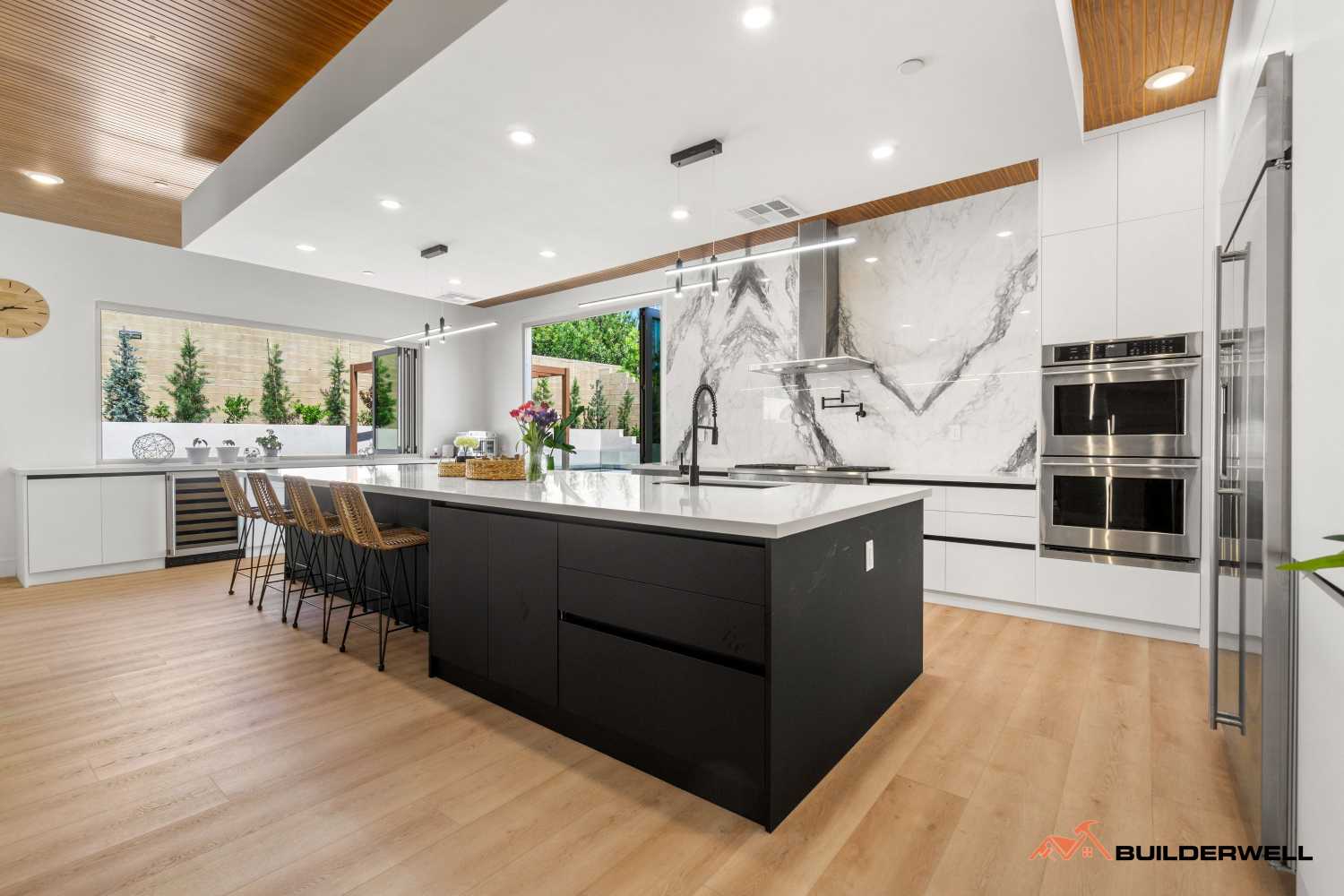
Remodeling a home in Newport Beach requires attention to more than the interior layout and finishes. Homes near the ocean, harbor, and coastal waterways are exposed to conditions that can influence material selection, moisture management, exterior maintenance, and the way a renovation is planned.
Salt air, moisture, sunlight, wind, and exposure to water can affect exterior components over time. At the same time, the location of a property can influence which planning and permitting requirements apply. Newport Beach has a designated Coastal Zone covering roughly 47% of the city's land area, and certain development within that zone may require a Coastal Development Permit. Some residential projects qualify for exemptions, so the requirements need to be evaluated based on the individual property and scope of work.
For homeowners planning a major renovation in Newport Beach, addressing these factors during design can help create a home that performs well in its coastal environment while fitting the character and requirements of the property.
Moisture management is one of the most important considerations when remodeling a coastal home. Water can enter through roofs, windows, doors, exterior walls, decks, and other openings when drainage and weatherproofing systems are not properly coordinated.
A major remodel provides an opportunity to investigate existing moisture problems before new finishes cover them. Areas around windows, exterior doors, bathrooms, roofs, and balconies should be examined for signs of water intrusion or deterioration.
Exterior wall assemblies also need appropriate protection. Newport Beach construction guidance emphasizes the importance of properly installed house wrap, flashing, and drainage planes to direct water away from openings and protect the building envelope.
Addressing these details during the remodeling process can help prevent problems from being hidden behind new siding, drywall, flooring, or other finished surfaces.
The materials selected for a Newport Beach remodel should account for the property's exposure to salt air and moisture. This is especially relevant for exterior elements such as doors, windows, railings, hardware, lighting, decking, roofing components, and other exposed materials.
A material that works well in an inland environment may require different consideration near the coast. The objective is not simply to select the most expensive product, but to choose materials appropriate for the property's exposure and intended use.
Interior finishes can also benefit from practical material selection. Coastal homes often have strong connections between indoor and outdoor areas, which can mean greater exposure to sand, moisture, and frequent foot traffic.
The right combination of durability, maintenance requirements, appearance, and performance can help the remodeled home continue to look and function well over time.
Many Newport Beach remodeling projects involve older homes or properties that have been modified over the years. Before removing walls or changing the floor plan, the existing structure and building systems should be evaluated.
A wall that appears suitable for removal may carry structural loads or contain electrical, plumbing, or mechanical systems. Similarly, relocating a kitchen or bathroom can require significant changes to existing utilities.
Older portions of the home may also have conditions that are not immediately visible, including deteriorated materials, previous alterations, or outdated systems. Identifying these conditions during design allows them to be incorporated into the remodeling plan instead of becoming unexpected issues during construction.
This is particularly useful for whole-home renovations, where multiple systems and rooms are being changed at the same time.
Coastal properties often benefit from views, natural light, and outdoor living areas. A remodel can improve these features, but the design needs to balance them with privacy, comfort, energy performance, and the existing architecture.
Larger windows and doors can create stronger connections between indoor and outdoor spaces. Their location and size should be considered alongside solar exposure, ventilation, structural requirements, and the orientation of the property.
Outdoor areas should also connect naturally with the interior. A remodel might include improved access to a patio, upgraded doors, a covered outdoor area, or a more functional relationship between the kitchen and exterior entertaining space.
Newport Beach's coastal planning framework also places importance on protecting coastal views and controlling building bulk, height, setbacks, and other aspects of development.
The property's location can have a direct effect on the remodeling process. Newport Beach's Coastal Zone is governed by the city's Local Coastal Program, which implements policies related to land use, development, public access, and protection of coastal resources.
Some development within the Coastal Zone requires a Coastal Development Permit, while certain improvements to existing structures and qualifying single-family projects may be exempt. Newport Beach also has a categorical exclusion for certain single-family and duplex projects, subject to specific conditions and location restrictions.
This means homeowners should not assume that every coastal remodel requires the same approvals. The property's location, the type of work, and whether the project falls within an exemption all need to be considered.
Newport Beach provides an address lookup tool that allows property owners to determine whether a property is within the Coastal Zone. Checking this early can help inform the design and approval strategy.
A major remodel can require multiple permits depending on the work involved. Newport Beach identifies building, fire, electrical, grading, plumbing, and heating permits among the types that may apply to construction projects.
The city's online permitting information also makes clear that its express permits are intended for simple, single-scope projects and are not intended for remodels that require multiple permits and plan review.
Projects affecting public property can create additional requirements. For example, construction activity within a public right-of-way requires an Encroachment Permit, while certain water and sewer connections or alterations can require separate approvals.
Planning these requirements before construction starts can help keep the project organized and reduce the possibility of having to revise the design after work is underway.
The construction process itself also deserves attention on a coastal property. Remodeling generates materials, debris, dust, concrete washout, paint residue, and other substances that need to be managed properly.
Newport Beach specifically provides guidance for construction and remodeling projects to prevent construction materials, sediment, concrete washout, and other pollutants from reaching streets, storm drains, channels, bays, and the ocean. The city recommends measures such as covering exposed materials, controlling runoff, and keeping construction debris away from storm drains.
This is particularly important in a coastal community where stormwater can ultimately reach nearby waterways.
Good site management should therefore be part of the construction plan from the beginning, rather than something addressed only after work has started.
A successful coastal remodel requires more than selecting attractive finishes. Moisture protection, exterior materials, existing structural conditions, indoor-outdoor connections, views, permitting, and construction site management can all influence the project.
The requirements also depend on the individual property. A home near the shoreline may have different considerations from a property farther inland within Newport Beach, and properties within the Coastal Zone may have additional planning requirements.
Builderwell Design & Build provides home remodeling in Newport Beach and throughout Orange County. Our team coordinates design, construction planning, permitting requirements, and the details of the existing property to develop a remodeling plan suited to the home and its coastal setting.


