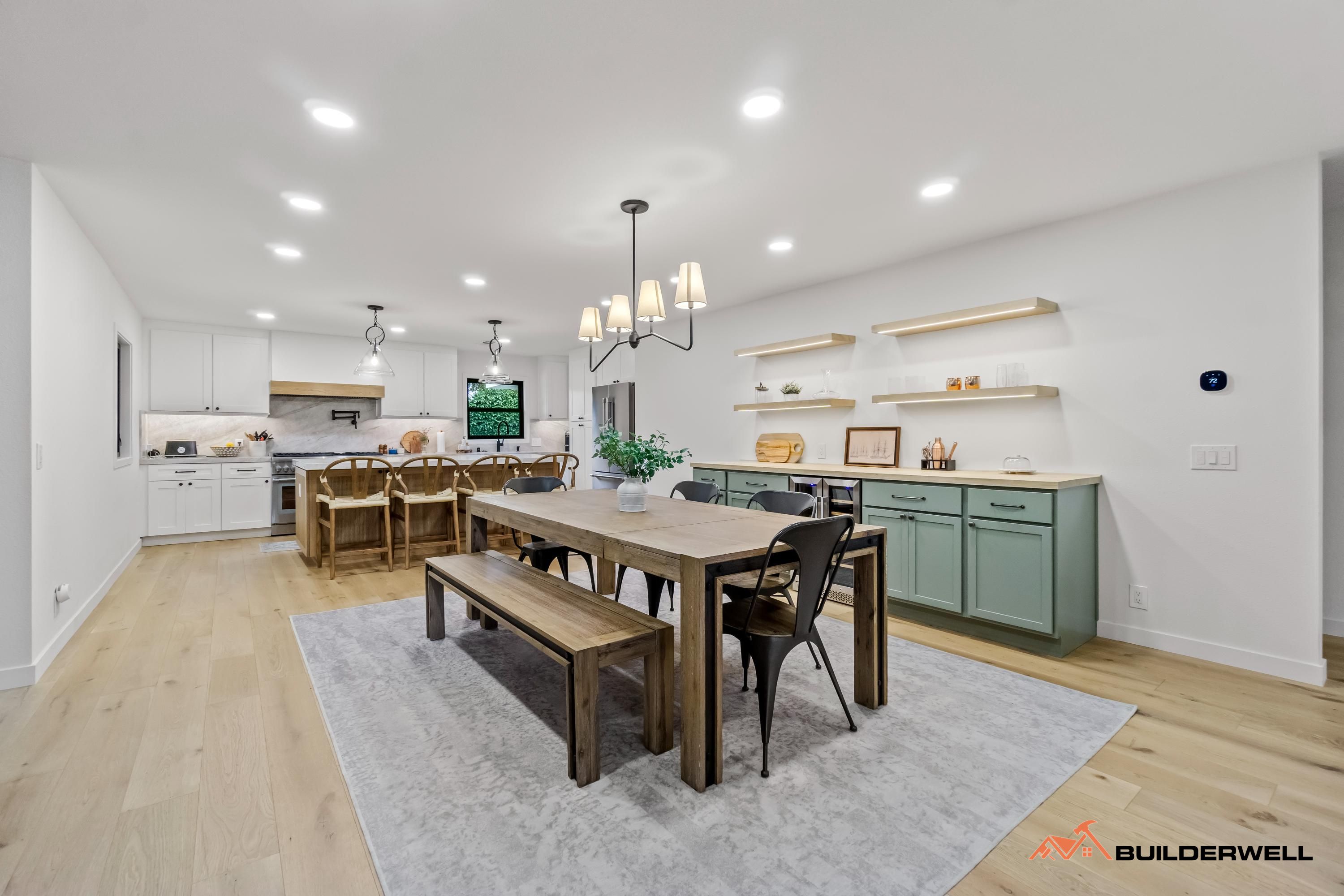
A full home renovation in Orange County can completely transform how a house looks, functions, and feels to live in. But before walls come down or designs come together, one thing determines whether the project moves smoothly or becomes stressful very quickly.
The budget.
This is where many homeowners make costly mistakes. Some underestimate how much renovation actually costs in Orange County. Others focus only on finishes, ignoring structural work, permits, and hidden issues behind walls. And many enter the process without understanding how quickly small decisions can affect the final number.
The result is usually the same. The project starts with excitement and slowly turns into constant adjustments, compromises, and financial stress.
The good news is that most of these problems are avoidable when the budget is planned correctly from the beginning.
One of the biggest budgeting mistakes happens before any numbers are discussed. Homeowners often start with vague goals instead of a clearly defined scope.
Saying you want to "update the house" is not enough. A realistic budget depends entirely on what is actually changing.
Are you:
These are very different levels of renovation, and each significantly affects costs.
In Orange County, especially in cities like Irvine, Newport Beach, and Laguna Beach, full home renovations often involve more than cosmetic work. Older homes usually require structural updates and system improvements to meet modern expectations.
That is why defining the real scope early is critical. Without that clarity, every estimate becomes unreliable.
This is not a low-cost market.
Labour costs are higher, permit requirements are stricter, and material expectations are far above national averages. Many homeowners look at renovation numbers online and quickly realize those estimates do not apply to coastal Southern California.
A realistic full home renovation in Orange County typically falls within these ranges:
For example, a 3,000 square foot home can realistically range from:
The final cost depends on layout changes, structural work, finish level, and the home's condition.
This is why budgeting based on television shows or outdated online articles creates unrealistic expectations.
One of the smartest ways to control a renovation budget is to separate essential work from optional upgrades.
Essential work includes things the home actually needs:
Optional upgrades are things that improve aesthetics or comfort but are not required for the home to function.
This distinction matters because renovation budgets tighten quickly once construction begins. If everything is treated equally, homeowners often overspend on visual upgrades while neglecting foundational improvements.
A well-balanced renovation prioritizes what affects the home in the long term before focusing on luxury finishes.
This is one of the hardest realities for homeowners to accept, especially in older Orange County homes.
Once walls are opened, surprises appear.
It could be outdated wiring, plumbing issues, structural damage, moisture problems, or previous work that was not done correctly. These issues are extremely common in full renovations, especially in homes built decades ago.
This is why experienced builders always recommend a contingency budget.
A realistic contingency reserve is usually:
Without that buffer, even moderate surprises can disrupt the project financially.
The mistake is not encountering hidden issues. The mistake is failing to plan for them.
Many people focus heavily on finishes because they are visible. Cabinets, flooring, countertops, and lighting tend to get most of the attention early on.
But layout changes are often what drive renovation costs upward.
Moving walls, opening spaces, or reconfiguring rooms usually requires:
Even relatively simple layout modifications can create a chain reaction throughout the house.
This does not mean layout changes should be avoided. In fact, they are often what make a renovation truly transformative. But they need to be budgeted realistically from the beginning.
Most homeowners underestimate how quickly finishes affect the total cost.
Individually, selections may not seem dramatic. Slightly better flooring here. Higher-end fixtures there. Custom cabinetry instead of semi-custom. But once those choices are multiplied across an entire home, the budget changes significantly.
For example:
This is why having clear priorities matters. Not every space needs the highest-end finish to create a luxury result.
A smart renovation budget focuses spending on areas that create the biggest impact.
Many homeowners focus only on construction costs and forget about everything that happens before construction begins.
In Orange County, permits, architectural planning, engineering, and design services are significant parts of the overall budget.
Depending on project complexity, these costs can range from:
That includes:
Ignoring these costs early often creates budget pressure later.
This is one of the most common renovation mistakes.
A lower quote feels appealing at first, especially on large projects. But renovation pricing is not always straightforward. Some builders underbid projects to secure them, only for costs to rise later through changes, delays, or incomplete planning.
A realistic budget is not about finding the lowest number. It is about understanding what is actually included and whether the project has been planned properly.
Experienced builders tend to provide clearer pricing because they understand the real scope of work. That transparency protects homeowners from surprises later.
One of the biggest reasons renovation budgets fail is that design, planning, and construction are treated as separate phases. Decisions are made in isolation, and costs are addressed only after the fact.
Builderwell Design & Build approaches projects differently by aligning all three from the beginning. The goal is not just to create a beautiful renovation, but to ensure the design realistically matches the investment level.
This means evaluating:
By planning thoroughly upfront, homeowners gain a much clearer understanding of what the renovation will realistically cost before construction starts. That level of transparency helps reduce stress, prevent budget overruns, and create a smoother renovation experience overall.
A full home renovation is a major investment, especially in Orange County, where expectations and construction standards are high. But the experience becomes far more manageable when the budget is approached strategically instead of emotionally.
The goal is not simply to spend less. The goal is to spend intelligently.
That means understanding the true scope, anticipating hidden costs, prioritising the right upgrades, and working with professionals who can align design with realistic construction costs.
When the budget is planned properly, decisions become clearer, the process becomes smoother, and the final result feels far more intentional.
Because the best renovations are not the ones that cost the most, they are the ones where every investment has a purpose.


