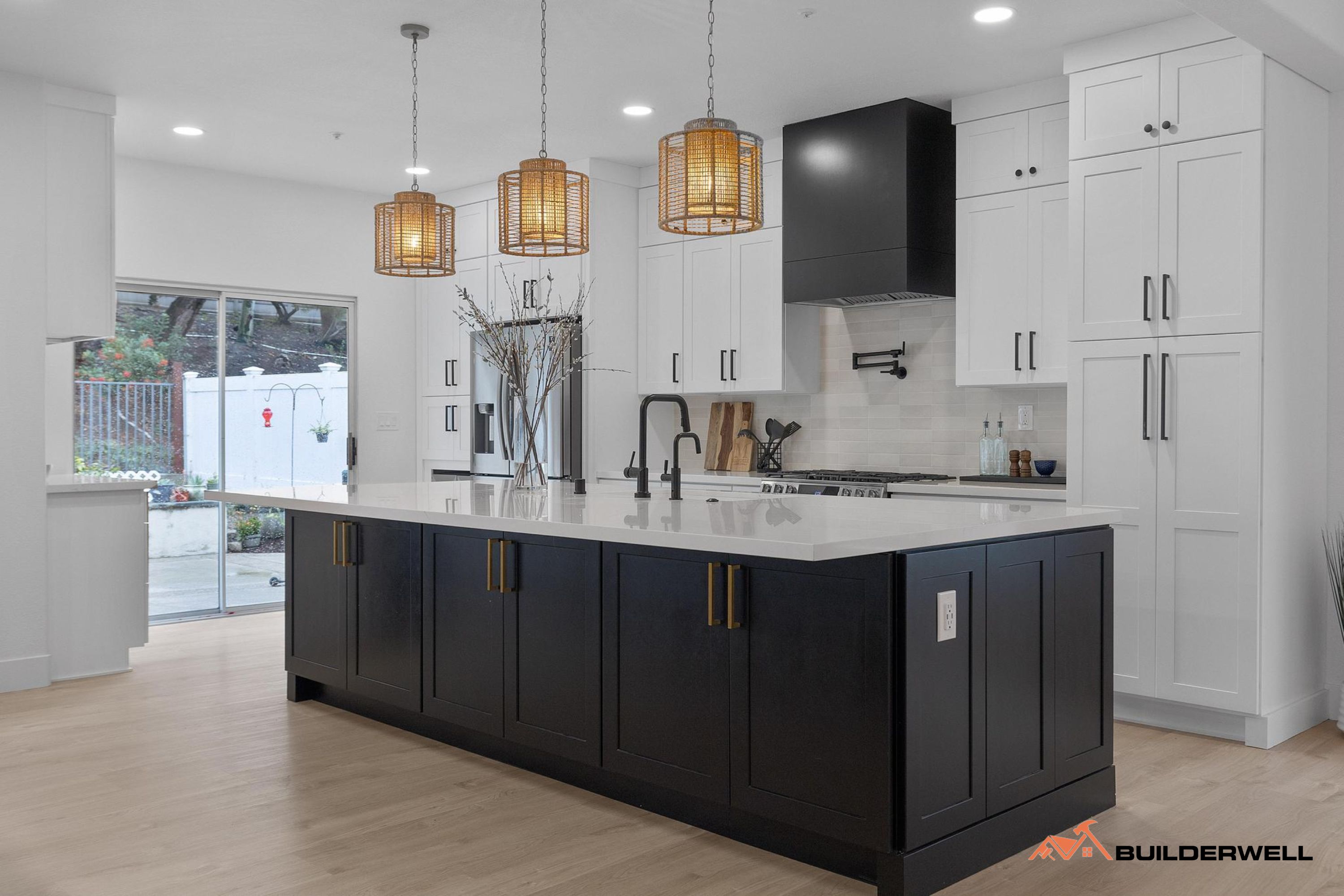
A kitchen can look beautiful and still be frustrating to use.
This is one of the most common problems homeowners discover after a remodel. The finishes look expensive, the lighting feels modern, and the appliances are high-end, yet something still feels off every single day. Cooking feels crowded. Storage never seems to work properly. Movement through the space feels awkward, especially when multiple people are using the kitchen at once.
That happens because many kitchen remodels focus too heavily on appearance and not enough on workflow.
A kitchen is one of the hardest-working spaces in a home. It is no longer just a visual centrepiece. It is where meals are prepared, conversations happen, children gather after school, guests naturally gravitate during parties, and daily routines begin and end. If the kitchen is not designed around how people actually move and function, even the most expensive remodel can feel inconvenient.
The best kitchen remodels are the ones that quietly make life easier. Everything feels natural. Storage makes sense. Movement flows smoothly. Lighting works where it is needed most. And over time, homeowners stop noticing the design because the space simply works.
That level of functionality does not happen accidentally. It comes from careful planning before construction ever begins.
One of the biggest mistakes homeowners make is designing around inspiration photos instead of real-life habits.
A kitchen should reflect how the household actually functions. A family that cooks daily needs something very different from homeowners who entertain frequently or rely mostly on takeout and casual dining. Before selecting finishes or appliances, the first step is to evaluate how the kitchen is used throughout an average day.
Think about questions like:
Most workflow issues come from ignoring these practical realities early in the planning process.
A kitchen designed around lifestyle always performs better than one designed purely around appearance.
Cabinet colours, countertops, and fixtures matter visually, but layout determines whether the kitchen feels functional long term.
Poor layout creates daily frustration. Appliances compete for space, walkways become crowded, and simple tasks require unnecessary movement. Even large kitchens can feel inefficient when the layout is poorly planned.
The most effective kitchen layouts focus on flow between the three core zones:
The distance between these zones matters. If the refrigerator is too far from prep space, movement becomes inefficient. If dishwashers block major walkways when open, traffic flow suffers. If the island interrupts circulation rather than improving it, the kitchen starts to feel cramped despite having more square footage.
Good workflow is less about size and more about intelligent spacing.
Many homeowners think that more cabinets automatically solve storage problems. In reality, poorly designed storage often creates more frustration than limited storage.
The goal is not to maximise cabinet count. The goal is to create storage that supports how the kitchen functions daily.
This means thinking carefully about:
For example, storing cookware near the cooking zone improves efficiency. Placing dishes near the dishwasher simplifies unloading. Keeping pantry access close to prep space reduces unnecessary movement.
These details may seem minor during planning, but they can dramatically affect how comfortable the kitchen feels in the long term.
Kitchen islands have become almost standard in modern remodels, but bigger is not always better.
One of the most common design mistakes is installing oversized islands that dominate the room and restrict movement. A kitchen island should improve workflow, not interrupt it.
Proper spacing around the island is critical. Walkways that are too narrow create congestion, especially in households where multiple people use the kitchen at the same time.
At the same time, islands can become extremely functional when designed correctly. They often provide:
The key is balancing functionality with circulation so the island feels integrated rather than oversized.
Lighting is often treated as a finishing detail, but in reality, it directly affects how efficiently a kitchen works.
Poor lighting creates shadows in prep areas, makes tasks more difficult, and reduces overall comfort in the space. A functional kitchen needs layered lighting designed around actual use rather than decoration alone.
This usually includes:
Natural light also plays a major role. Kitchens that feel bright and open tend to feel larger, cleaner, and more inviting during daily use.
Well-planned lighting quietly improves almost every experience within the kitchen.
Homeowners often spend an enormous amount of time selecting appliances while paying less attention to where those appliances are positioned.
But workflow depends far more on placement than branding.
For example:
Even small placement adjustments can significantly improve the kitchen's efficiency every day.
The goal is to reduce unnecessary movement and avoid bottlenecks during busy moments.
Many modern remodels aim for open-concept living, especially in Orange County homes where entertaining and indoor-outdoor flow are highly valued. But completely undefined spaces can sometimes create visual and functional chaos.
A successful kitchen remodel creates openness while still maintaining structure.
This can be achieved through:
The kitchen should feel connected to surrounding spaces without losing its own identity and functionality.
Daily workflow improves when materials are easy to maintain and durable enough for real use.
Some homeowners prioritise aesthetics so heavily that they choose materials that require constant maintenance or wear too quickly. Over time, this creates frustration rather than luxury.
A smart kitchen remodel balances beauty with practicality by considering:
Timeless materials often perform better long term than trend-driven selections that age quickly or become difficult to maintain.
Many kitchen remodels fail not because the finishes are poor, but because the planning focused too heavily on appearance rather than function.
Builderwell Design & Build approaches kitchen remodelling by evaluating how homeowners actually live before finalising design decisions. Instead of simply creating visually impressive kitchens, the focus is placed on improving movement, storage, lighting, and usability throughout the space.
This means studying how the kitchen connects with adjacent rooms, identifying daily workflow frustrations, and designing layouts that make everyday routines feel smoother and more efficient. By combining thoughtful design planning with construction expertise, Builderwell helps homeowners create kitchens that not only look high-end but also function comfortably for years to come.
The result is a kitchen that feels natural to use rather than simply attractive to look at.
A well-designed kitchen remodel does more than improve appearance. It changes how the home functions every day.
Cooking becomes easier. Movement feels smoother. Storage works naturally. Entertaining feels less crowded. Daily routines become more comfortable without homeowners even thinking about why.
That is what good workflow really does. It removes friction from everyday life.
And in the long run, those improvements matter far more than trends or flashy design features.
Because the kitchens homeowners love most are usually not the ones that feel the most expensive. They are the ones that quietly make daily life better in ways that become impossible to imagine living without.


