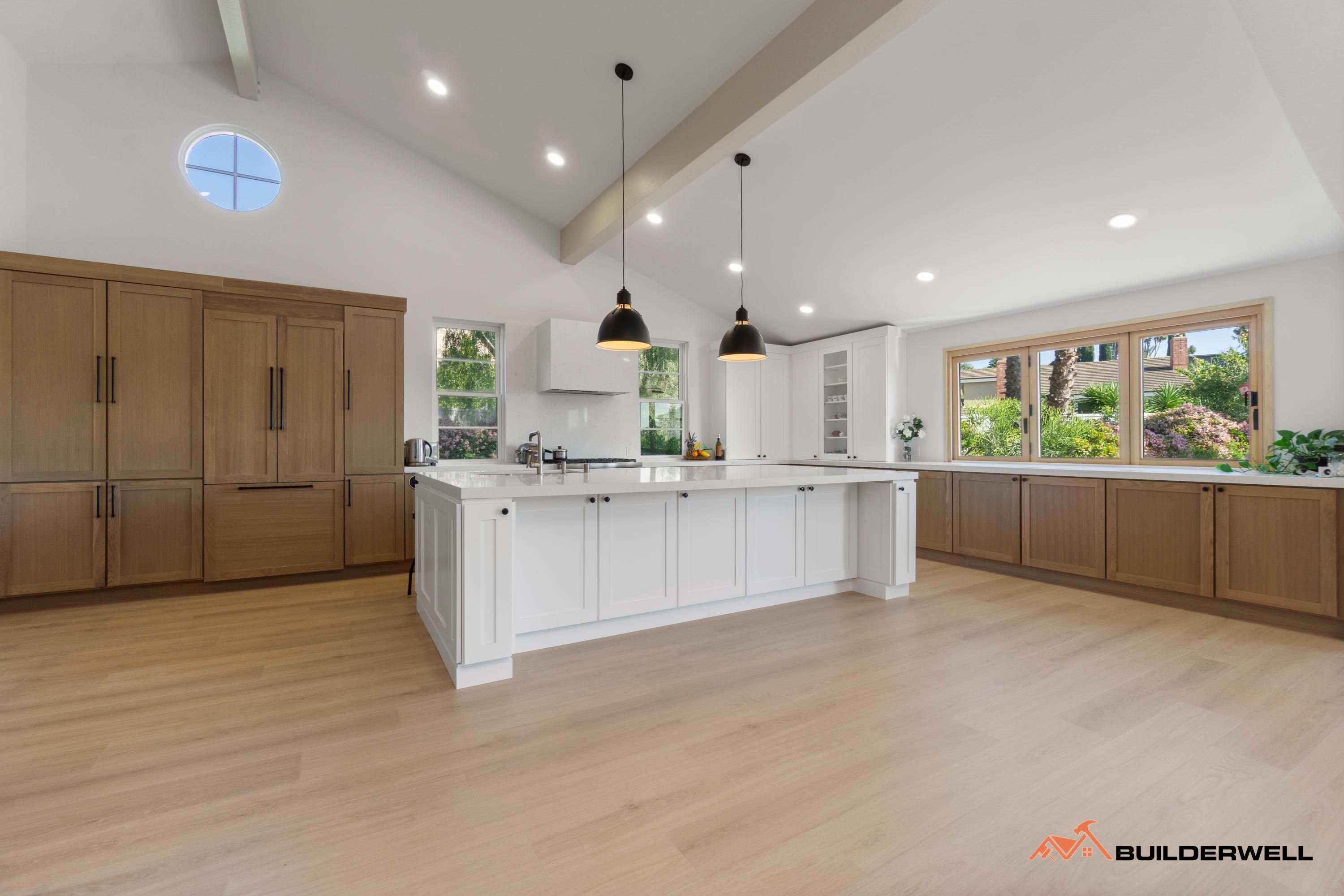
There is something special about older coastal homes.
Walk into one in Laguna Beach or San Clemente, and you can feel it immediately. The textures, the proportions, the way the home sits on the land. These homes were not built to follow trends.
They were built with character.
And that is exactly why remodeling them is so tricky.
You are not just updating a structure. You are working with something that already has an identity. Done right, a remodel can elevate that charm. Done wrong, it can erase it.
So how do you modernize a coastal home without stripping away what makes it unique?
Let’s break it down the way experienced builders approach it.
Before making any changes, you need to understand what you are working with.
Most older coastal homes have defining elements that give them personality. It could be exposed beams, original woodwork, unique window placements, or even the way the home captures ocean light.
The mistake many homeowners make is jumping straight into upgrades without identifying these features.
Start by asking:
These are the details worth preserving. Everything else can be improved around them.
This is where many remodels go wrong.
Homeowners often attempt to incorporate ultra-modern designs that clash with the original architecture. Clean lines, flat finishes, and minimal detailing may look great in new builds, but they can feel out of place in older coastal homes.
Instead of forcing a new style, aim for balance.
A better approach is:
The goal is not to make the home look brand new. The goal is to make it feel refreshed while still recognizable.
Older homes often have layouts that feel different from modern designs. Rooms may be more defined. Spaces may not be fully open.
The instinct is to tear everything down and create an open concept layout.
But that is not always the right move.
In many cases, keeping parts of the original layout helps maintain the home’s charm. Instead of removing everything, look for smart ways to improve flow.
For example:
This approach keeps the home’s character intact while making it more functional.
Materials play a huge role in how a home feels.
Older coastal homes often feature materials that age beautifully. Wood, stone, and handcrafted details carry a sense of history that new materials cannot replicate.
Whenever possible, preserve these elements.
Focus on:
When new materials are needed, choose ones that complement the existing palette instead of competing with it.
Here is the reality. Older homes often need major upgrades behind the walls.
Electrical systems, plumbing, insulation, and structural elements may all need improvement.
But these upgrades do not have to change how the home looks.
A well-planned remodel improves performance without affecting aesthetics.
That means:
This is where experienced builders make a difference. They know how to upgrade what matters without touching what should stay.
Coastal homes are not just about design. They are about location.
Salt air, moisture, and sun exposure all affect how materials perform over time.
When remodeling, it is important to choose materials and finishes that can handle these conditions.
Smart choices include:
At the same time, design should enhance the connection to the environment.
Large windows, outdoor access, and natural light should feel intentional, not forced.
One of the defining features of coastal homes is how they connect to the outdoors.
But here is where many remodels go too far.
Instead of gently enhancing this connection, they try to force it with oversized glass walls or overly modern designs.
A better approach is to build on what already exists.
The connection should feel effortless, not exaggerated.
Trends change fast. Coastal homes are meant to last.
One of the biggest mistakes in remodeling is chasing design trends that may not age well.
Think about it this way. What looks modern today can feel outdated in a few years.
Instead, focus on:
This ensures your remodel still feels relevant years down the line.
Remodeling an older coastal home is not a standard project.
It requires a different mindset. More attention to detail. More respect for the existing structure.
A good builder will not just suggest changes. They will guide decisions.
They will help you understand:
Without that guidance, it is easy to lose the very character you are trying to protect.
Builderwell approaches older homes with a clear philosophy. Improve what matters, preserve what makes the home unique.
Instead of applying a one-size-fits-all approach, the team studies each home carefully. Layout, materials, light, and structure are all considered before any work begins.
What sets Builderwell apart:
Homeowners often notice that their homes feel upgraded without losing identity.
That balance is not easy to achieve, but it is what defines a successful remodel.
Remodeling an older coastal home is not about starting over. It is about refining what already exists.
When done right, the result feels natural. The home looks better, functions better, and still holds onto its original charm.
That is the real goal.
Not to erase the past, but to build on it.
If you are planning to remodel a coastal home in Orange County, take your time. Understand the home first. Make thoughtful decisions. Work with the right team.
Because once that original charm is lost, it is almost impossible to bring it back.
And if you want a team that knows how to strike that balance, Builderwell is one worth considering.


